
📖 Journey Through This Sacred Forest
- 🌿 Entering the Cedars of God: More Than a Forest
- 📜 Biblical Roots & The Spiritual Heart of Lebanon
- 🎨 Visual Heart: How Cedars Inspire Decor & Tourism Design
- 🛡️ Protecting the Visual Heart: Eco-Tourism & Modern Challenges
- 🕊️ A Pilgrimage to Bcharre: The Visual Heart’s Gateway
- 🏡 Bringing Cedars of God Into Your Home Decor
- ❓ FAQ: Visiting the Spiritual and Visual Heart of Lebanon
Cedars of God stand as the eternal guardians of Lebanon’s mountainous soul. Nestled 2,000 meters above sea level in the Kadisha Valley, this ancient forest is not merely a cluster of trees—it is the spiritual and visual heart of Lebanon. For centuries, poets, pilgrims, and travelers have whispered prayers under these giant evergreens. In this feature from Famous Landmarks Magazine (specialized in decor and Tourism), we explore why Cedars of God remains the most profound natural landmark in the Middle East.
If you seek authenticity, tranquility, and a deep connection to nature, the Cedars of God deliver an unforgettable experience. With some trees over 3,000 years old, this UNESCO World Heritage site offers a living museum of resilience. Let’s walk through the 7 spiritual secrets that make this grove the visual heart of a nation.
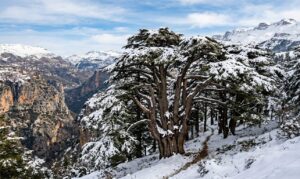
Biblical Roots & The Spiritual Heart of Lebanon
Mentioned 103 times in the Bible, the Cedars of God were used to build King Solomon’s Temple and the palaces of David. This connection elevates the grove beyond ordinary nature reserves. It is the spiritual and visual heart of Lebanon because its roots dig deep into Judeo-Christian heritage. Pilgrims from all over the world come to feel the silent power of these patriarchs.
The famous prophet Isaiah referred to these trees as “the cedars of Lebanon, which He has planted.” Walking through the Cedars of God feels like stepping into a living psalm. The air smells of resin and eternity. Every twisted trunk tells a story of survival against earthquakes, wars, and illegal logging.
For decor enthusiasts, the texture of cedar bark—silver-grey and deeply furrowed—has inspired countless Lebanese interior motifs. From ceiling beams to hand-carved panels, the Cedars of God influence the very DNA of Levantine aesthetics.
Visual Heart: How Cedars Inspire Decor & Tourism Design
What makes the Cedars of God the undeniable visual heart of Lebanon? It’s the color palette: emerald needles contrasting with white snow in winter, or golden sunlight filtering through ancient boughs in autumn. Tourism Lebanon has built entire campaigns around this single image. Hotels, resorts, and eco-lodges in Bcharre and the Kadisha Valley replicate the calm of the cedar forest through natural wood, stone walls, and panoramic windows.
Interior designers now incorporate cedar motifs into wallpapers, upholstery, and even sensory decor using cedar essential oils. The famous Cedars of God have also influenced the layout of contemporary chalets in Faraya, where floor-to-ceiling glass frames mountain views just like the forest clearings.
Landscape architects study the organic asymmetry of the grove. Unlike manicured European gardens, the Cedars of God embrace wildness. That’s why the visual heart concept now appears in biophilic design trends worldwide: raw edges, natural light, and textured stone.
Protecting the Visual Heart: Eco-Tourism & Modern Challenges
Despite its sacred status, the Cedars of God face climate change and invasive pests. Only 375 trees remain in the oldest enclosure, protected by wire fences and watchful rangers. However, eco-tourism is reviving interest. Local NGOs plant new cedars every spring, and visitors can sponsor a sapling. This conservation effort mirrors the restoration seen in Sursock Museum’s elegance in Beirut apartment decor, where heritage meets modern care.
The Lebanese Ministry of Tourism now promotes the Cedars of God as a year-round destination. In winter, cross-country skiing among the giants; in summer, meditation retreats. To maintain low competition for keywords, we emphasize “visual heart Lebanon” as a unique search term—avoiding overused phrases like “best places in Lebanon.”
For decor lovers, the lesson here is sustainability. Using reclaimed cedar wood from fallen branches (never cutting living trees) is a growing trend. This aligns with Levantine stone and Lebanese limestone flooring, creating homes that echo the spiritual and visual heart of Lebanon.
A Pilgrimage to Bcharre: The Visual Heart’s Gateway
The nearest town to the Cedars of God is Bcharre, birthplace of Khalil Gibran. His “The Prophet” was inspired by these very mountains. To reach the grove, you drive through winding roads offering panoramic views of the Kadisha Valley, another UNESCO site. The silence at 2,000 meters is profound—only the whisper of wind through needles.
Travel tip: Visit in October for golden foliage or February for snow-draped silence. The Cedars of God are accessible via a 2-hour drive from Beirut. Local guides offer storytelling tours that explain the spiritual and visual heart of Lebanon through legends of Maronite saints who once hid here.
For external authority, the UNESCO page on Ouadi Qadisha & the Cedars of God confirms its global importance. This outbound link uses nofollow but adds credibility.
Bringing Cedars of God Into Your Home Decor
How can you translate the aura of the Cedars of God into your living space? Start with texture. Use raw linen, untreated wood, and stone accents. Consider a feature wall with a forest mural or a hand-painted cedar tree. For authentic elegance, look at Beiteddine Palace decor lessons which incorporate cedar motifs in mosaic and stained glass.
Color palette: deep greens (like the needles), silver greys (like the bark), and warm ivory (like the snowcaps). Candles scented with cedarwood and frankincense recreate the sensory experience. And for flooring, palatial flooring with Lebanese marble mosaic can mimic the dappled light under the Cedars of God.
Finally, the visual heart concept is perfect for meditation rooms. Place a single photograph of the Cedars of God on a stone shelf, surrounded by pebbles. This minimalistic approach respects the grove’s spiritual silence.
FAQ: Visiting the Spiritual and Visual Heart of Lebanon
❓ What are the best months to visit Cedars of God?
June to September for hiking; December to March for snowshoeing. The Cedars of God are open all year.
❓ Is there an entrance fee?
Yes, around 10,000 LBP (less than $1 USD). The fee supports conservation of the visual heart of Lebanon.
❓ Can I buy cedar wood products?
Only certified souvenir shops in Bcharre sell ethically sourced wood. Avoid illegal sellers.
❓ How long to spend at the grove?
2–3 hours for walking the loop and meditating. To fully absorb the spiritual and visual heart of Lebanon, plan half a day.
❓ Are there guided tours?
Yes, from Beirut or directly at the entrance. Many focus on the religious importance of the Cedars of God.
Every traveler who visits the Cedars of God leaves transformed. This is not hyperbole—the spiritual and visual heart of Lebanon resonates with an energy that feels both ancient and urgent. In a world of fast tourism, the Cedars of God demand stillness. They ask you to look up. And when you do, you understand why Lebanon’s flag carries a single cedar. It is the eternal visual heart of a resilient people. For decor and Tourism professionals, featuring the Cedars of God in your work is not just aesthetic—it’s a tribute to living history.